
A supplier's non-payment complaint and a viral contract analysis have put remote livestock investing under scrutiny. No court has made findings against the company, and the allegations remain contested. Diaspora investors can still learn from the case.
Kalos Meats is a Zimbabwean meat business founded by Tapuwa Karonga. Some press and social media posts spell the name "Karlos". It runs butcheries and farming operations and offers contract-farming arrangements, which have drawn interest from Zimbabweans abroad who want to put savings into agriculture back home.
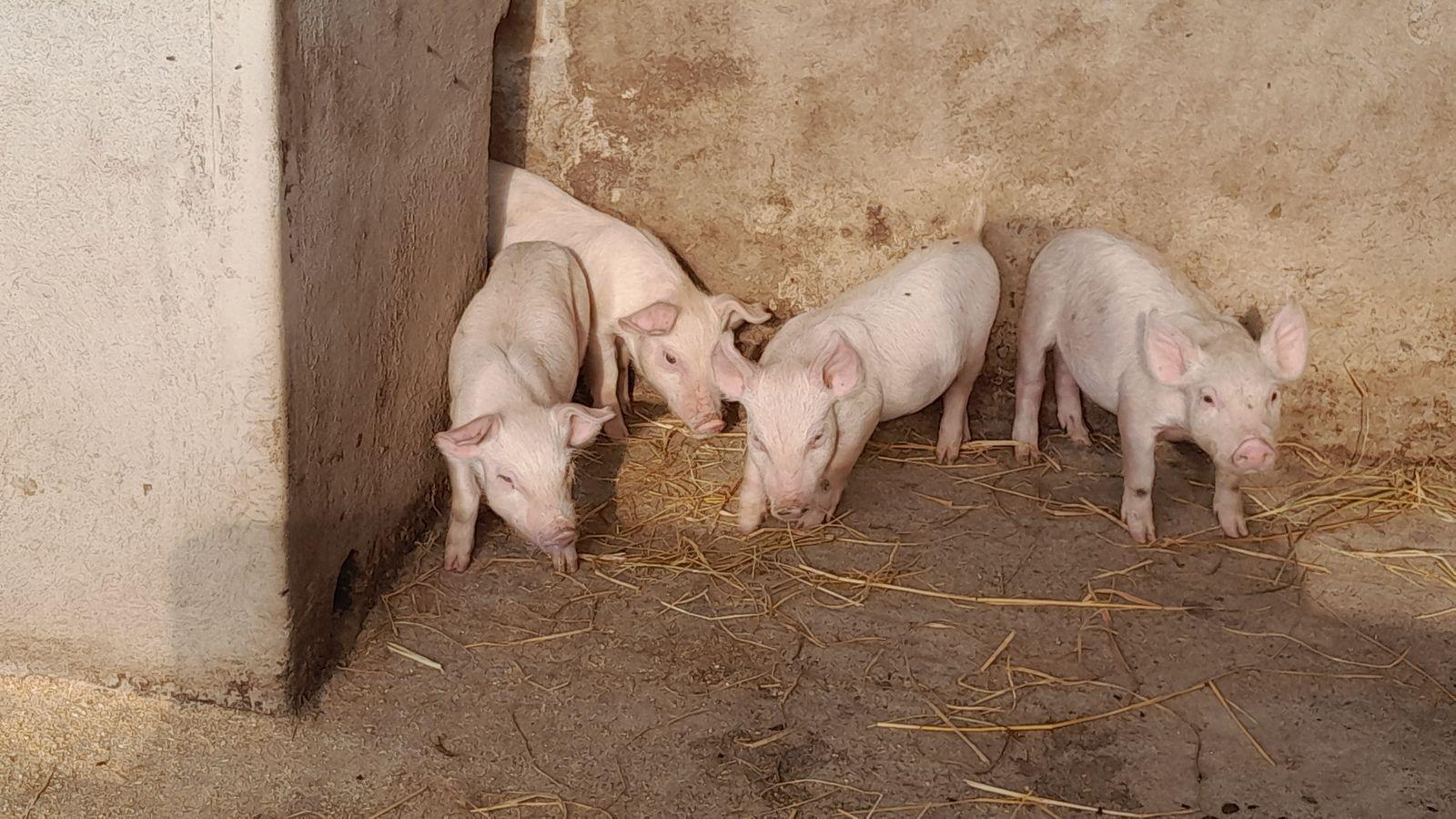
In June, ZimEye reported a complaint from a supplier who did not want to be named. The supplier said they delivered 20 porkers to a Kalos Meats outlet on 23 May 2026 after seeing an advert, and that they were promised payment within 14 days. ZimEye reported that, more than a month later, the supplier said they had still not been paid. ZimEye described the allegations as contested. It also said it had been trying to get comment from the company for about six months without a reply. Grapevine has not independently verified the supplier's account.
In late October the business became a talking point on X and Facebook, with posts from people describing themselves as investors and suppliers. Some of these posts used strong language. Grapevine treats social media posts as a sign of public concern, not as evidence. We have seen no court judgment, regulator finding or official designation against Kalos Meats or its founder.
Why the contract model matters
On 21 and 23 October, Leaders.co.zw published two analysis pieces. One drew on a review of a Kalos-style agribusiness contract by analyst Gerald Musara that was widely shared online. Leaders argued that remote contract farming can leave risk lopsided. The investor pays for the livestock and feed, but mortality, disease and market price risk can fall back on the investor, while the operator controls the farm and the sale. According to Leaders, the reviewed contract placed most operational risk on the remote investor.
Leaders said the dispute could reflect cash-flow strain in a fast-growing business rather than deliberate wrongdoing, and that social posts are not a fraud verdict. Its central point was about the model, not one company. When you invest from London, Johannesburg or Dallas, you usually cannot see the pens, count the animals or check the abattoir slips yourself.
Why it matters for the diaspora
Remittances and diaspora savings are a big part of Zimbabwe's economy. Agriculture is often marketed to people abroad as a tangible, patriotic investment. That is why the terms matter. A contract that looks like a fixed return on paper may, in the small print, make you carry the losses when pigs die or prices fall.
Due-diligence checklist before signing any contract-farming deal
Read the whole contract. Check who bears mortality, disease, feed-price and market risk, and what happens to your capital if animals die.
Payment terms. When exactly are you paid, in what currency, and what is the remedy if payment is late?
Verification. Can you or an agent you trust visit the farm, see records, or get independent stock counts and sales receipts?
Company checks. Confirm the company's registration and who its directors are, and ask whether the scheme needs any regulatory approval.
Track record. Talk to existing investors and suppliers directly, not only through testimonials picked by the company.
Independent advice. Have a Zimbabwe-registered lawyer or accountant review the contract before you send money.
Never invest money you cannot afford to lose, especially when the returns sound guaranteed.
Right of reply
Grapevine sought comment from Kalos Meats and Tapuwa Karonga before publication. At the time of going to press we had not received a reply. We will update this article if they respond.
Editor's note: Zimbo Grapevine's publisher, Dereck Tafuma, has written critical posts about Kalos Meats on LinkedIn. This article was prepared from published sources and does not reflect those posts.
This is a general explainer, not financial or legal advice.
Sources: ZimEye, 25 Jun 2026: https://www.zimeye.net/2026/06/25/fresh-kalos-meats-non-payment-complaint-emerges-as-six-month-silence-deepens-over-mounting-allegations/ · Leaders.co.zw, 21 Oct 2026: https://www.leaders.co.zw/2026/10/karlos-meats-and-contract-farming-model.html · Leaders.co.zw, 23 Oct 2026: https://www.leaders.co.zw/2026/10/contract-farming-ponzi-scheme.html
Related: Government sets sugar cane price at US$72.40 a tonne for growers


Comments
Comments are moderated before they appear. Please read our comments policy.
Loading comments…