
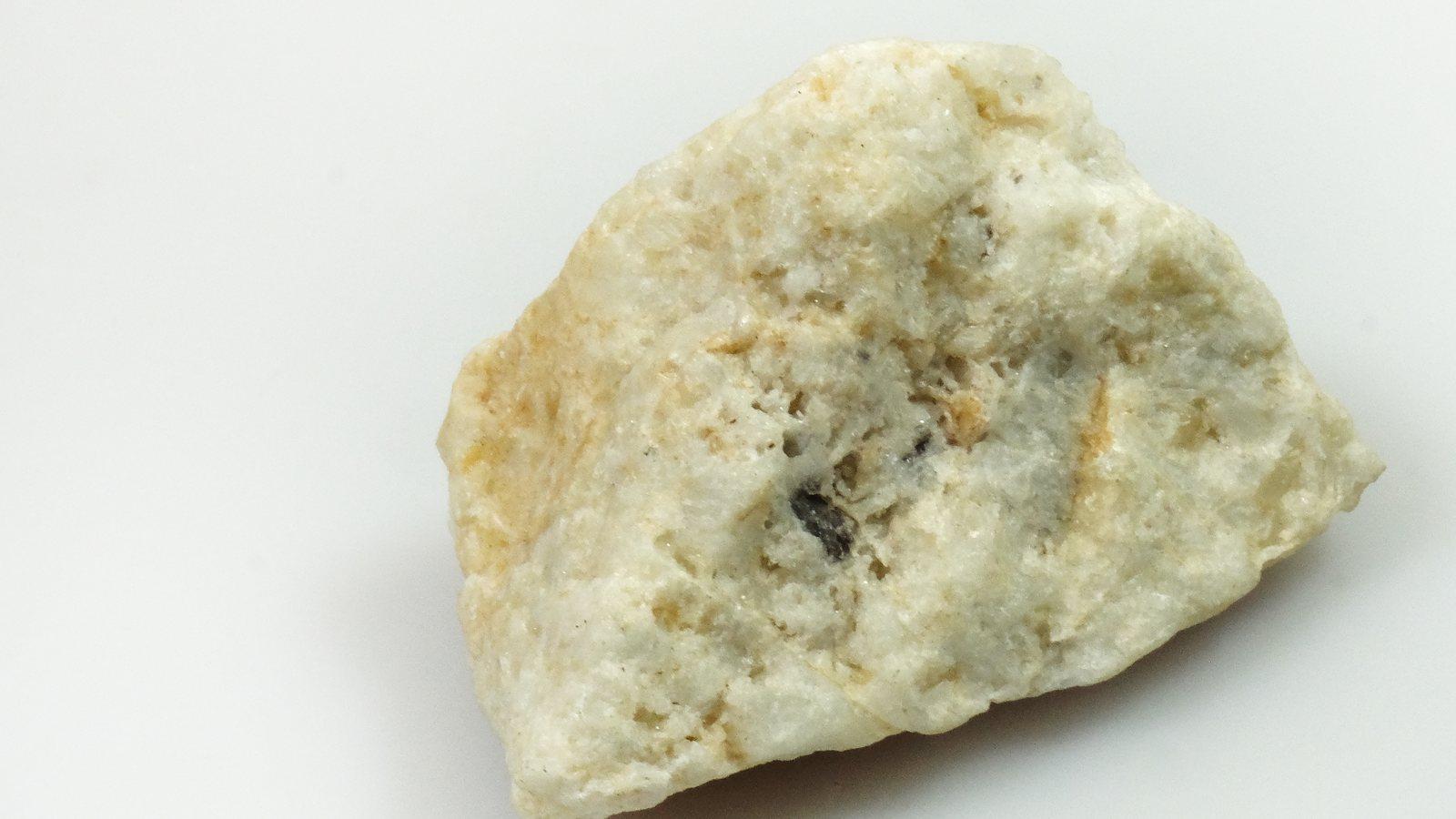
Zimbabwe will go ahead with its ban on exporting lithium concentrate from January 2027 and will not give producers any more time, the government said on Friday.
Information Ministry secretary Nick Mangwana said in a post on X that lithium producers had had "ample time" to prepare for the January 2027 beneficiation deadline, and that there was "no justification for further extensions".
The ban is meant to make companies process more of the mineral inside Zimbabwe instead of shipping semi-processed concentrate abroad. Officials say local processing creates jobs and keeps more of the value of the country's mineral wealth at home. It is also meant to cut illegal shipments of the metal, a key input for electric vehicle batteries.
The policy has been tightened in stages. Zimbabwe first restricted exports of raw lithium ore in 2022. It then told producers in June 2025 that concentrate exports would end in January 2027. Shipments of concentrate were halted in February this year and the restrictions were eased in April, ahead of the full ban.
The industry has pushed back. In July, Mines Minister Polite Kambamura rejected a request from producers to delay the ban until at least March, telling reporters the government was "still sticking with January 1". Bloomberg reported that the Lithium Producers Association of Zimbabwe had asked for a grace period of several months.
ChemNet reported that the finance and mines ministers had both said in public that the deadline would not change, and Mangwana's latest comments repeat that position.
Investors around the world are watching closely. Zimbabwe produced about 10% of the world's mined lithium last year, according to US Geological Survey figures cited by Bloomberg. Much of that output came after a wave of Chinese investment. Sinomine and Sichuan Yahua, which both have Zimbabwean units, are building plants to make lithium sulphate, an intermediate product used in battery-grade chemicals. Huayou has already commissioned its own plant.
Zimbabwe is not alone. Several African countries, including Guinea, Ghana and the Democratic Republic of Congo, are trying to earn more from their resources by processing them at home.
For Zimbabweans in the UK and elsewhere who follow the economy back home, the coming months will show whether processing plants are ready to take the concentrate that used to be exported, or whether output and foreign earnings take a hit when the deadline arrives.
Sources: NewZimbabwe.com (Bloomberg syndication), "Zimbabwe says no justification to delay lithium export ban", 11 Oct 2026, https://www.newzimbabwe.com/zimbabwe-says-no-justification-to-delay-lithium-export-ban/ · Moneyweb/Bloomberg, "Zimbabwe rejects lithium miners' request to delay export ban", 17 Jul 2026, https://www.moneyweb.co.za/mineweb/zimbabwe-rejects-lithium-miners-request-to-delay-export-ban/ · ChemNet, "No extension! Zimbabwe confirms ban on lithium concentrate exports starting January 2027", https://news.chemnet.com/news-10540.html · Gambakwe Media, 10 Oct 2026, https://gambakwe.com/2026/10/10/zimbabwe-reaffirms-lithium-concentrate-export-ban-no-extensions-expected/


Comments
Comments are moderated before they appear. Please read our comments policy.
Loading comments…